Craft Beer Phnom Penh
Welcome to Craft Beer Phnom Penh, a comprehensive guide to locally brewed craft beer.
Phnom Penh has a growing craft beer scene with Cambodian-made brews ranging from familiar styles to distinctive local creations.
Whether you live in the city or are just visiting, our aim is to help you discover craft beer made in Cambodia, learn more about local brewing, and find great craft beer in Phnom Penh.
What is Craft Beer?
Craft beer is premium beer made by small, independent breweries that prioritize quality, creativity, and distinct flavor over mass production.
Unlike large commercial brands, craft brewers use traditional ingredients like malt, hops, yeast, and water, often adding innovative twists like local fruits, spices, or barrel-aging.
Each batch focuses on rich taste profiles and brewing mastery, offering beer lovers an authentic, diverse, and community-centered alternative to standard industrial lagers.
Types of Craft Beer
The world of craft beer is vast, diverse, and filled with unique flavors. At its core, almost every craft beer you encounter falls into one of two main categories: ales or lagers.
The distinction comes down to the yeast and brewing temperature, resulting in an incredible spectrum of tastes, aromas, and colors.
Whether you are a curious beginner or a seasoned enthusiast, understanding these foundational craft beer styles will help you find your next favorite pint.
Top-Fermented Craft Beer (Ales)
India Pale Ale (IPA): The most popular craft beer style, famous for its bold hop bitterness and herbal, citrus, or fruity aromas.
Pale Ale: A highly approachable craft beer that balances a crisp hop character with a smooth, sweet malt backbone.
Wheat Beer: A refreshing, often cloudy brew featuring distinct flavor notes of banana, clove, and vanilla.
Stout & Porter: Dark, full-bodied beers featuring heavily roasted malts that taste like coffee, chocolate, and caramel.
Sour Beer: An intentionally tart, acidic style ranging from salty Goses to fruit-infused Berliner Weisses.
Bottom-Fermented Craft Beer (Lagers)
Pilsner: A clean, pale-gold craft beer known for its crisp finish and subtle, floral hop aroma.
Amber Lager: A smooth, medium-bodied option showcasing toasted, biscuit-like malt flavors.
Bock: A strong, dark German lager that delivers rich, warming, and sweet malt characteristics.

Nitrogenated Vs Carbonated Craft Beer
The fundamental difference between nitrogenated (nitro) and carbonated craft beer lies in the gas used to create the pour, drastically altering the drink’s texture, appearance, and flavor profile.
Standard carbonated beers rely entirely on carbon dioxide (CO2) which dissolves easily into the liquid to form carbonic acid. This chemical reaction produces large, lively bubbles that deliver a sharp, refreshing “carbonic bite” on the tongue, accentuating hop bitterness and bright fruit aromas.
In contrast, nitrogenated beers use a specific “beer gas” blend—typically 70% nitrogen and 30% Co2. Because nitrogen is largely insoluble in liquid, forcing it through a specialized tap’s restrictor plate releases millions of microscopic bubbles.
This creates a stunning visual cascade in the glass that settles into a thick, pillowy head, suppressing sharp acidity to deliver an ultra-smooth, velvety mouthfeel that beautifully elevates rich, malt-forward flavors like chocolate, caramel, and coffee.
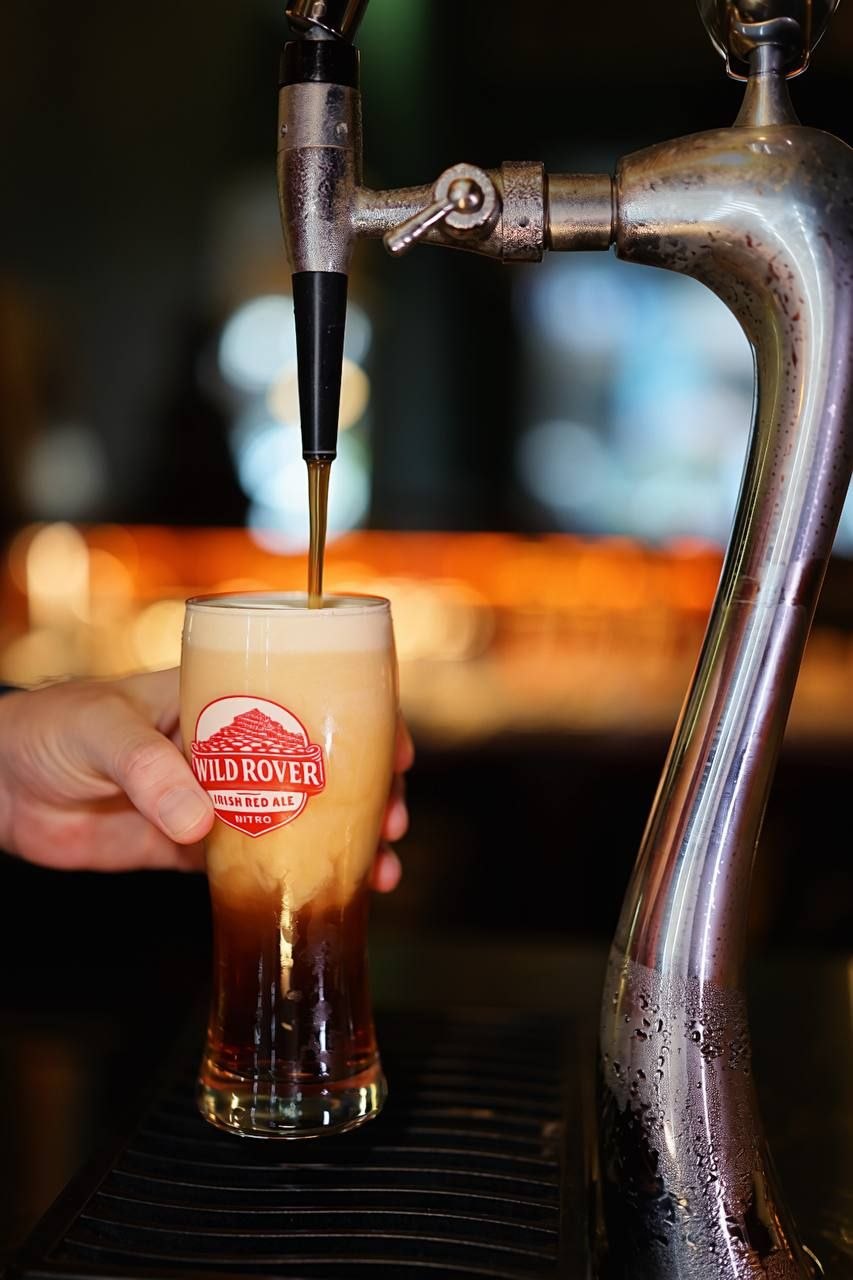
The two-part pour is essential for nitro beer because it carefully manages the physics of nitrogen gas to achieve the perfect balance of texture, flavor, and presentation. Unlike carbon dioxide, nitrogen does not easily dissolve into liquid.
When the beer is forced through a specialized faucet’s restrictor plate, it triggers a rapid release of millions of microscopic bubbles, creating a mesmerizing visual cascade.
Pausing the pour after filling the glass about three-quarters of the way allows this turbulent surge to settle, giving the tiny bubbles time to rise and form a tight, creamy, long-lasting head.
The Rise of Craft Beer in Cambodia: A Brief History
Cambodia’s craft beer scene is booming. Today, independent microbreweries account for over 2% of the domestic beer market. From the bustling streets of Phnom Penh to the ancient backdrop of Siem Reap, independent brewers are reshaping the Kingdom’s drinking culture. Here is how Cambodia’s craft beer revolution unfolded.
2009 Pioneer Era: Kingdom Breweries opens in Phnom Penh, establishing the country’s first premium craft facility.
2012–2016: International homebrewers launch staples like Himawari Microbrewery, Riel Brewing, Hops and Botanico Craft Beer Garden.
2018–present: Khmer-owned breweries emerge, adapting traditional IPAs and ales to local Cambodian flavor profiles.

Craft Beer Scene in Phnom Penh Today
The craft beer movement in Phnom Penh is experiencing an exciting surge, transforming Cambodia’s capital into a vibrant hub for independent brewing.
While mass-produced lagers have historically dominated the market, a growing community of local and expatriate brewers is introducing bold, innovative flavors to the city’s nightlife.
This emerging craft beer culture is heavily defined by creativity, with microbreweries frequently infusing tropical ingredients and unique regional flavors into traditional European and American styles.
Driven by an adventurous younger generation of Khmer consumers, curious tourists, and an active expat community, the capital’s scene thrives on fresh, locally produced batches.
From casual, open-air beer gardens to intimate hidden taprooms, exploring craft beer in Phnom Penh has become a highly social, community-driven experience.
Contract Brewing Craft Beer
The rise of contract brewing is fundamentally reshaping Cambodia’s independent beer landscape, lowering the barrier to entry for innovative local brands.
Historically, launching a craft beer in Phnom Penh meant investing massive upfront capital into heavy industrial brewing infrastructure, stainless steel tanks, and complex commercial licensing.
By utilizing the contract brewing model, passion-driven brands can partner directly with established, state-of-the-art facilities in Cambodia to handle the heavy manufacturing.
This allows small, independent teams to focus entirely on recipe development, precise ingredient sourcing, and building vibrant community spaces, while ensuring every single batch meets rigorous quality and hygiene standards.
Local white-label collaborations prioritize premium quality and freshness above all else. Brewing locally allows for hyper-efficient, small-batch production that keeps keg rotations fast and guarantees a fresh, crisp pour every time it hits the glass.
Benefits of Brewing in Cambodia
Relying solely on stock wholesale products forces businesses to sell the exact same items as competitors, trapping them in a race to the bottom on pricing. When every bar in town serves the same lineup, they lose their unique identity and pricing power.
Businesses that rely on international brands not available at wholesalers are forced into the costly and frustrating logistical nightmare of constantly importing goods in bulk. It simply makes more sense to cut out the exorbitant import taxes, shipping fees, and potential delays by brewing your own unique, world-class beer in Cambodia.
Brewing locally in Cambodia keeps your investment inside the country, creates jobs and supports local supply chains. Instead of sending profits overseas to massive multinational corporations, your custom beer supports local Cambodian workers.
WooBrew Craft Beer
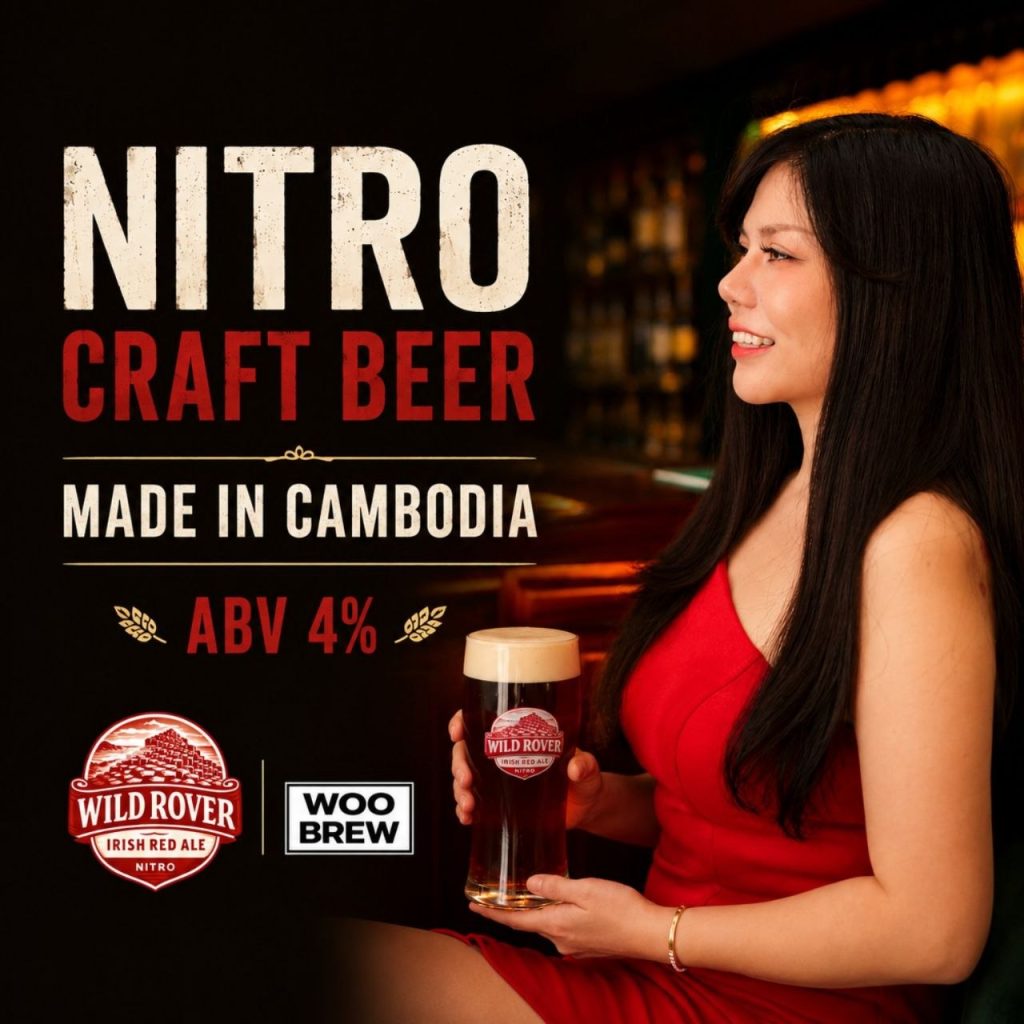
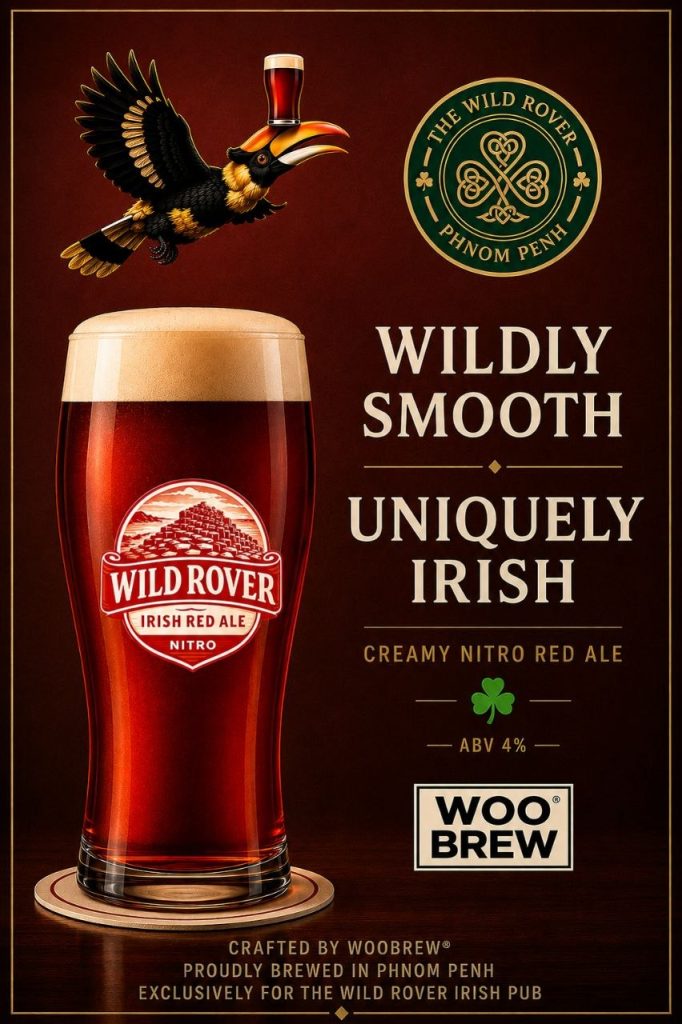
WooBrew Craft Beer Phnom Penh is a new addition to the capital’s artisan beer scene. It is a local white-label craft beer brand developed in collaboration with one of Cambodia’s leading contract breweries.
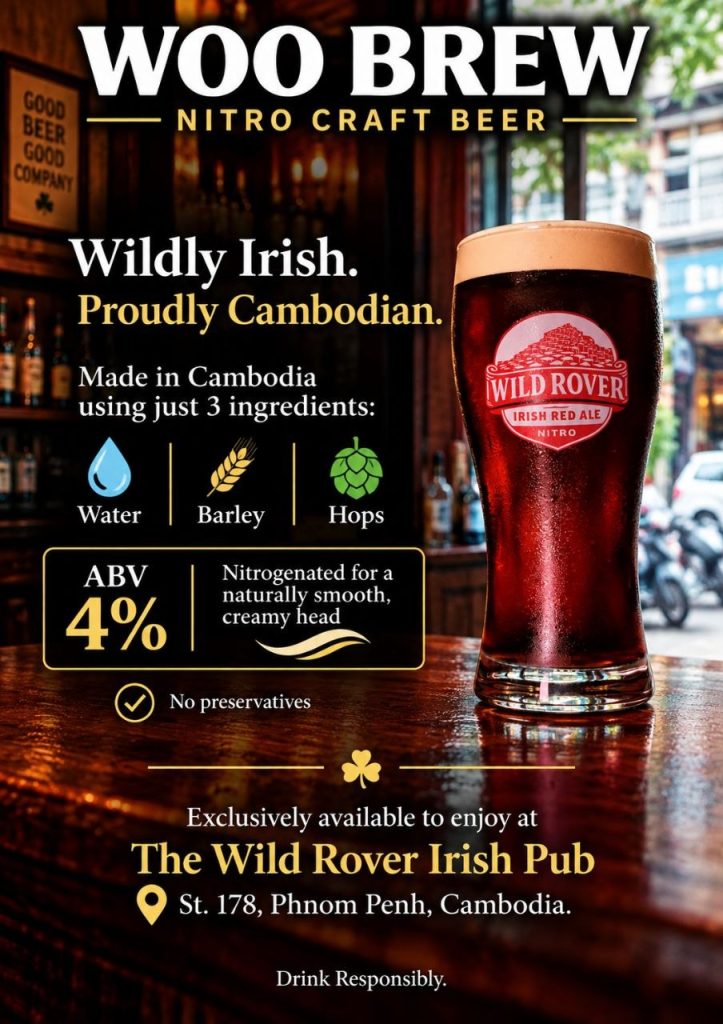
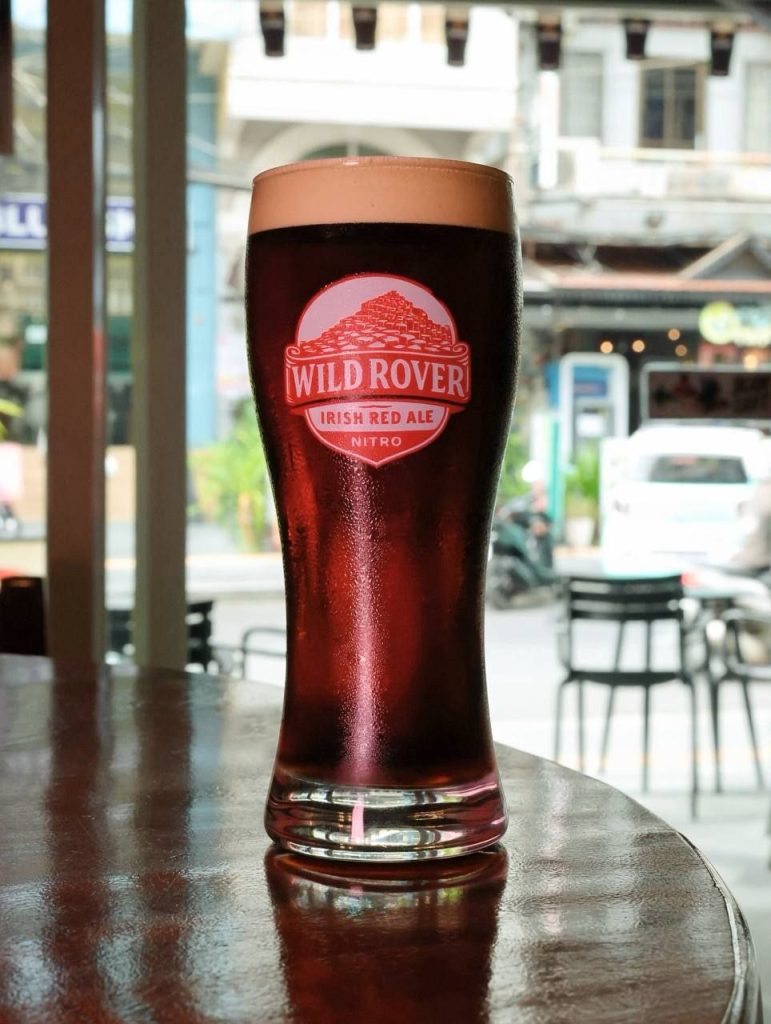
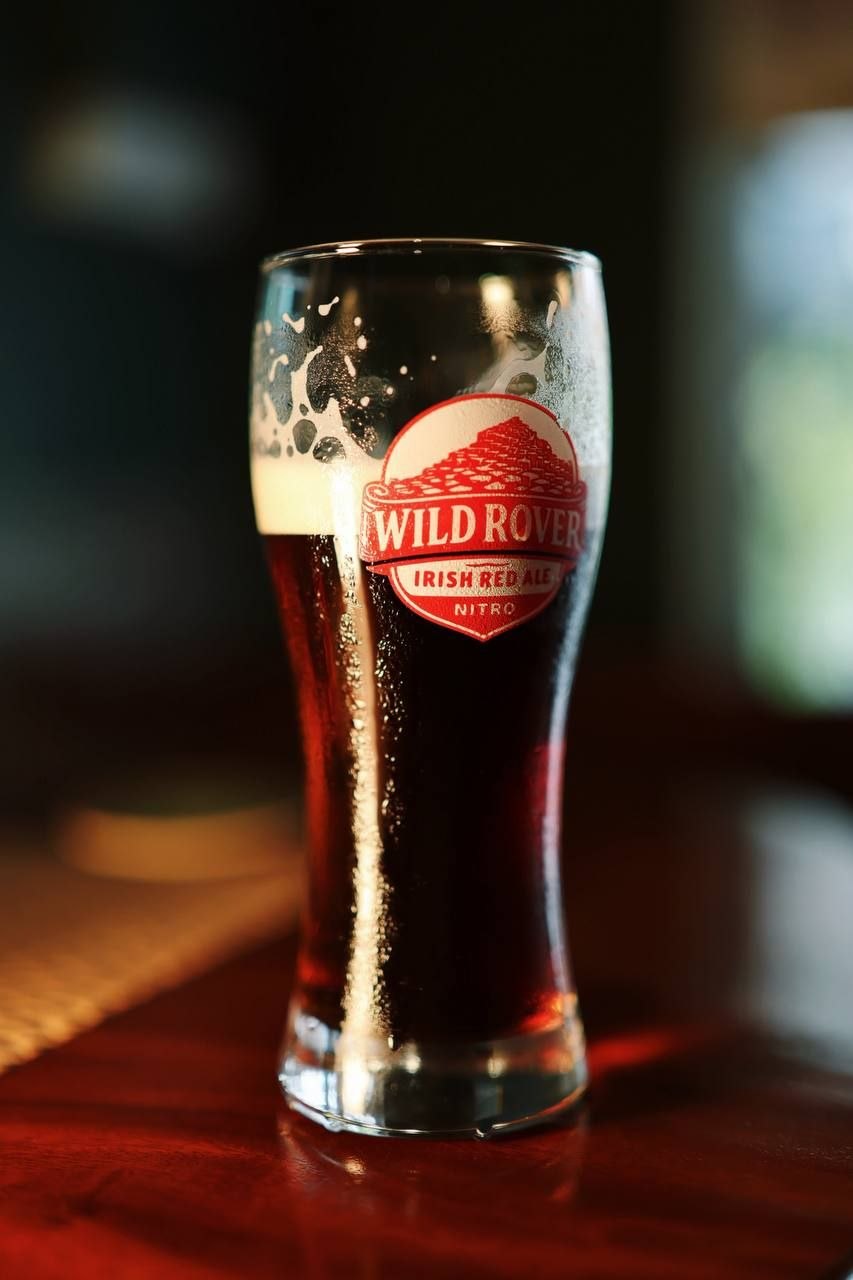
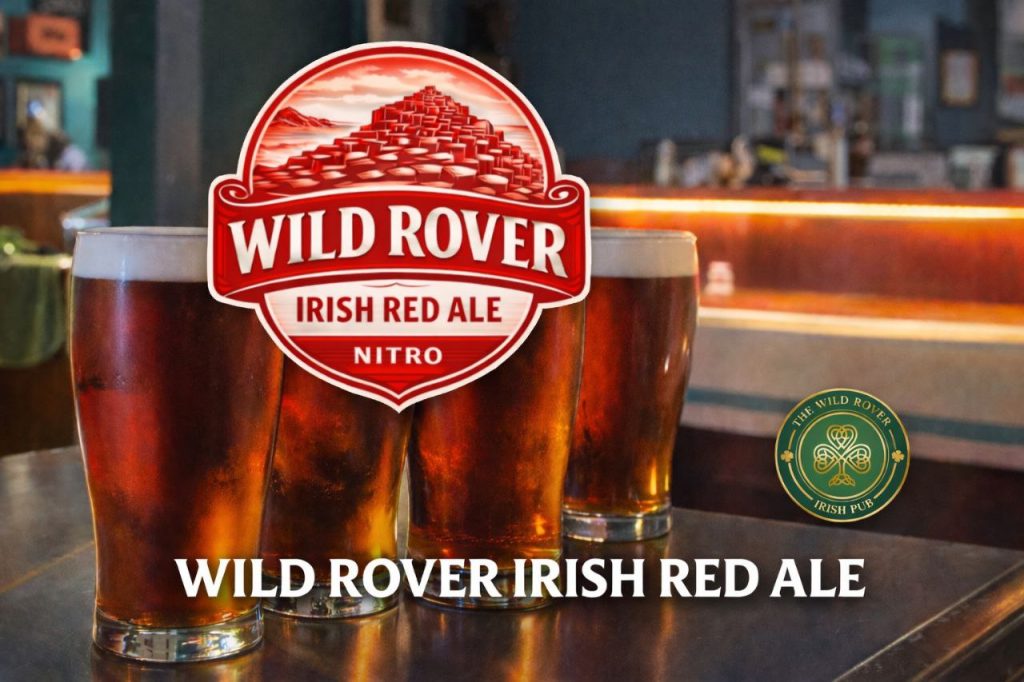
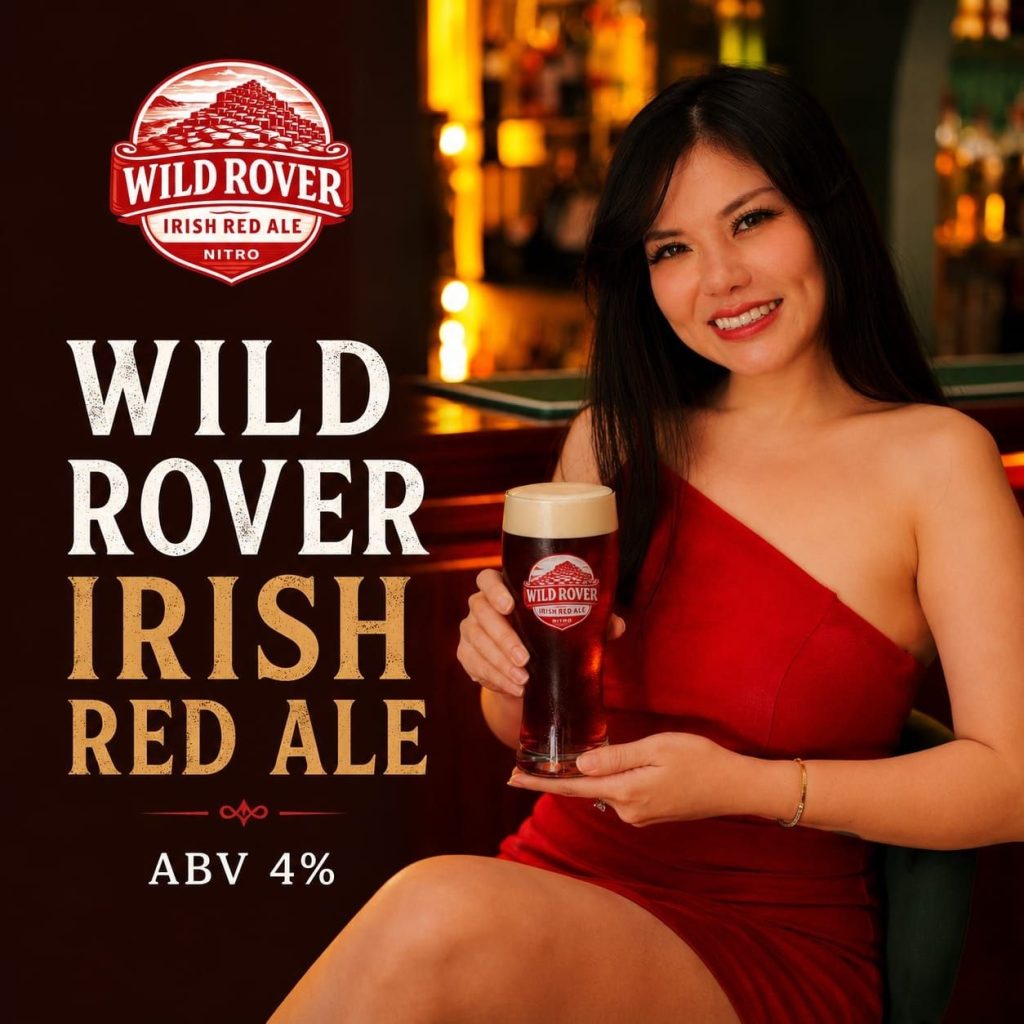
In November 2025, WooBrew launched its Nitrogenated Irish Red Ale. This unique recipe stands out for its smooth, balanced malt profile and a creamy, velvety head reminiscent of classic Irish stouts and ales.
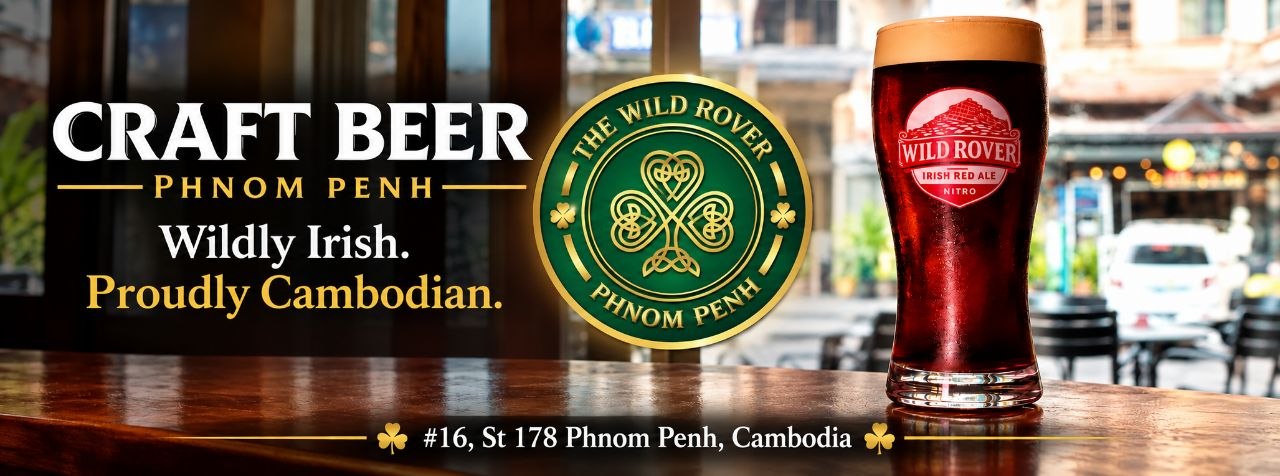
Tailored for guaranteed freshness, this distinct craft beer is served exclusively at the Lounge Bar connected to The Wild Rover Irish Pub located in Phnom Penh.
It provides a unique, local pint experience that expands Phnom Penh’s growing independent brewing community.
